
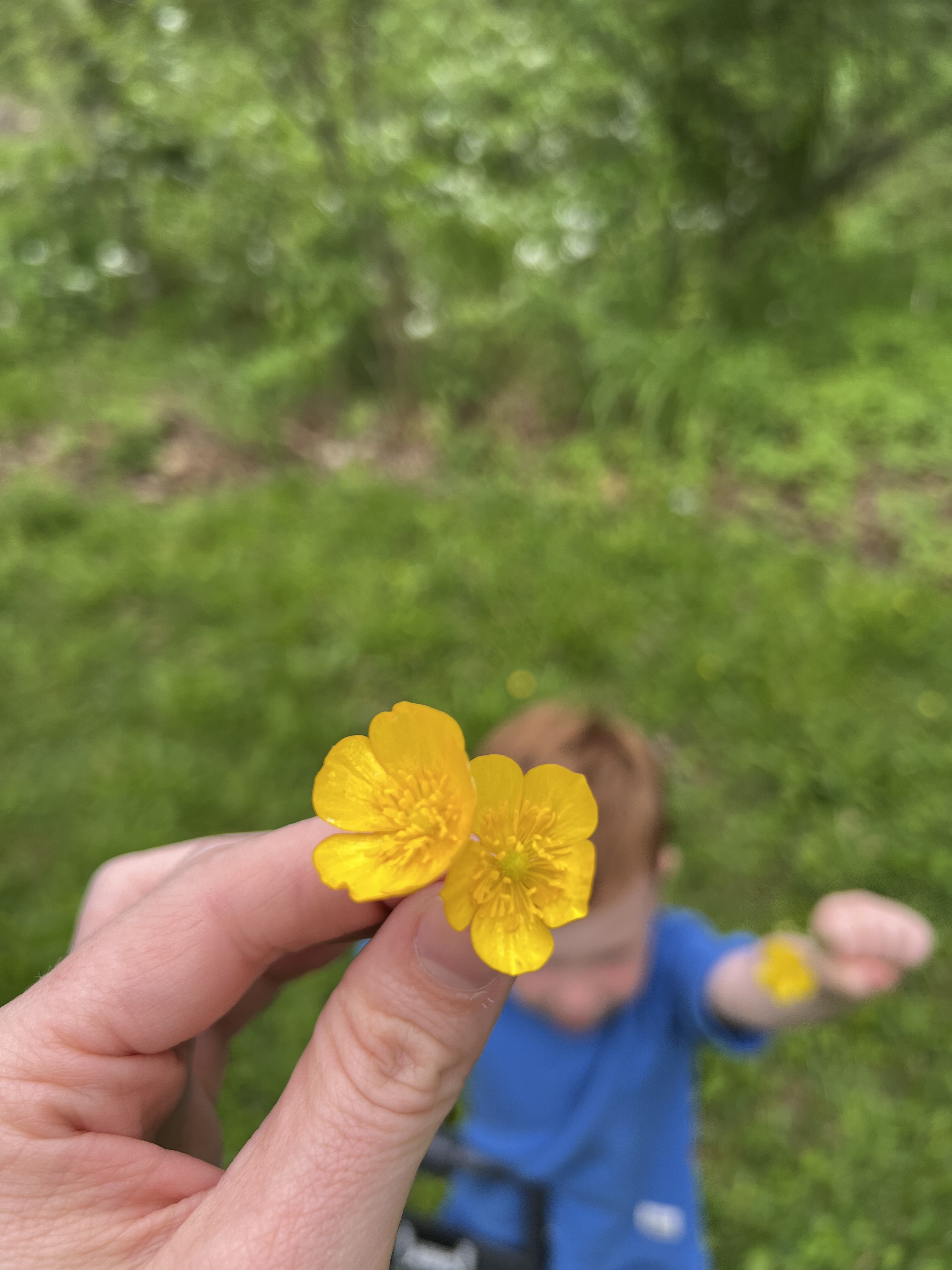
We often spend so much energy preparing for a future version of life that we miss the one already unfolding around us. Looking ahead is human, but the present can quietly become a waiting room if we’re not careful.
Not long ago, I was looking through old photos of my son.
There he was at six months old, cheeks impossibly round, staring up at me with the kind of wonder babies seem to reserve for ceiling fans and their mothers. There he was taking his first wobbly steps across the bedroom. There he was sitting in the grass, completely fascinated by a leaf.
As I scrolled through the photos, I felt something familiar: gratitude because I’d lived those moments, and longing because they were gone. I’ve tried hard to stay awake to each version of my son as he grows. Even in the exhausting parts, I knew I would miss the roundness of his baby cheeks, his first unsteady steps, and the way he could become completely absorbed in something as small as the sunlight dancing across the floor.
That doesn’t mean the early years were easy. When he was waking multiple times a night, I wanted sleep. When every outing required snacks, extra clothes, and careful timing, I wanted more ease. When parenting felt all-consuming, I wanted more space to hear myself think again.
Still, looking back at those photos, I felt the tenderness of how quickly it all moved. Even when we’re paying attention, life can pass through a season of constant doing: feeding, planning, carrying, remembering, responding, and preparing for whatever comes next. We can be deeply present for the life we love and still feel, later, that it slipped through our hands faster than we understood at the time.
And for many people, the pull toward the next chapter is even stronger. Sometimes we’re trying to get through a difficult phase. Sometimes we’re waiting for life to feel easier, quieter, or more manageable. Sometimes we simply believe that the life we’re hoping for is still somewhere ahead of us.
That’s often why we miss the life we’re living. Not always because we failed to appreciate it, but because life is full, demanding, and moving all at once. Later, when a certain time of our life has passed, we can see its tenderness more clearly.
The future has a powerful pull
Most of us don’t intentionally miss our lives. In fact, many of us care deeply about living meaningful, connected lives. We want to be attentive partners, parents, friends, and people. We want to notice the moments that matter.
But much of daily life asks us to look ahead. We plan appointments, manage work, remember what needs to be bought or scheduled, prepare for meetings, respond to messages, make decisions, and try to keep the people we love cared for. For many of us, there’s also the constant mental work of anticipating what might be needed next.
Planning isn’t the problem. It can be practical, loving, and necessary. The trouble begins when our attention becomes permanently invested in a future version of life. We start believing that relief, happiness, clarity, or fulfillment exists just beyond our current circumstances.
Maybe life will feel better when the project is finished, when the children are older, when work slows down, when the house is organized, when we’re healthier, more confident, less tired, or finally caught up. Learning to notice this pattern is part of what it means to live consciously.
The details change, but the feeling is often the same. We begin to believe that real life is about to start.
The problem with “when”
I’ve noticed that many of the stories we tell ourselves begin with the word when.
We’ll feel better when things calm down. We’ll have more time when get through this project or problem. We’ll enjoy ourselves when we’re less stressed, less busy, more settled, or more certain about what comes next. Looking ahead isn’t the problem. Sometimes it’s how we get through something difficult.
But “when” can quietly place our lives just beyond reach. It can make the present feel like something to get through rather than something we’re already inside of.
There are chapters that genuinely require endurance. Grief, burnout, illness, financial strain, caregiving, new parenthood, and uncertainty don’t need to be framed as something to cherish in order to be meaningful. Wanting relief doesn’t mean you’re failing to appreciate your life.
Still, even during those times, life doesn’t stop happening. A friendship continues. A child changes. A relationship shifts. The small rituals that hold a day together keep unfolding, whether we’re fully aware of them or not.
The risk isn’t hope for a different future. The risk is treating the present as a rehearsal for the life that will finally count.
Why ordinary moments matter so much later
One of the surprises of adulthood is realizing which moments stay with us.
Rarely are they the ones we spent months anticipating. More often, they’re the moments that felt entirely ordinary at the time: a conversation while washing dishes, a walk around the neighborhood after dinner, the sound of someone laughing from another room, or a quiet Saturday morning before the day properly begins.
Those moments usually don’t announce their importance. They pass quietly, blending into the fabric of everyday life. Yet years later, they’re often the ones that return to us with the most tenderness.
I’ve started to wonder if we miss so much because we’re trained to look for meaning in milestones, achievements, and remarkable experiences while overlooking what’s happening in between. But much of what becomes meaningful later is woven through ordinary life.
It may be the way someone made coffee every morning. The familiar route home. The particular sound of a child’s laugh at a certain age. The shared routines that seemed unremarkable until they changed or disappeared.
These moments aren’t more valuable because we recognize them perfectly while they’re happening. Most of us won’t. But attention gives us a better chance of being touched by the life already around us.
Presence doesn’t mean appreciating every moment
Whenever people talk about presence, it can start to sound exhausting. As though we’re supposed to savor every inconvenience, transform every hard day into a lesson, and appreciate every stage while we’re living it.
That’s not realistic, and it’s not the point.
There are moments that are frustrating, boring, painful, or simply too much. There are experiences in life we genuinely won’t miss when they’re over. Presence doesn’t ask us to pretend otherwise.
It asks something gentler. It asks us to recognize that even in difficult moments, life is still happening. The person in front of us still matters. The conversation still has weight. The day may not be beautiful, but it’s still ours.
This is part of why presence can be so difficult. Attention is pulled by worry, responsibility, mental load, exhaustion, planning, and the endless stream of things that seem to need us elsewhere. Drifting doesn’t mean we’re ungrateful or doing life badly. It means we’re human.
How to stop treating life as a waiting room
I’ve never found it especially helpful to ask myself how to appreciate every moment. I don’t want to turn a life I already love into something I have to observe correctly, or another standard I can fail to meet.
Instead, I often return to a phrase from Ram Dass: “Hold on tightly. Let go lightly.”
For me, it’s a reminder to stay close to what’s here without trying to grip it so tightly that I lose it to fear. To notice the small hand reaching for mine, the familiar sound of my son’s voice from another room, the routines that make up a stretch of family life, and to let them matter while they’re still mine to live.
It also means allowing certain passages of life to move as they needs to move. I can want sleep, more ease, or a little room to hear myself think without wishing away the life happening around me. I can feel the ache of how quickly childhood changes without trying to preserve every moment perfectly.
That reminder doesn’t magically make me present. It doesn’t make a hard day easier or remove the reasons I may be looking forward to what comes next. But it interrupts the instinct to live ahead of myself.
This time, however imperfect, is still part of the story. It’s not a waiting room, a rehearsal, or preparation for the main event.
Sometimes that means noticing one small thing before moving on. Sometimes it means listening through the full story a child is telling, even when it’s taken a winding route. Sometimes it means putting your phone down, stepping outside for a few minutes, or noticing the way light has changed in a room.
Continue reading
If this gave language to something you have been feeling, these reflections offer a few more places to continue.
- How to Be More Present in Everyday Life
- Why Presence Is So Difficult
- How Children Teach Us Presence
- How to Find Meaning in Everyday Life
If You’re Wondering…
Why does life feel like it goes by so fast?
Life can feel fast in hindsight because routines, responsibilities, and familiar days often blend together while we are living them. We may not recognize the significance of a season until enough time has passed for us to see what changed.
Is it wrong to look forward to a different season?
No. Looking forward can be necessary, especially during difficult or demanding periods of life. The challenge is not hope or planning. It is allowing the future to become the only place where we believe life can feel meaningful.
Why do ordinary moments become meaningful later?
Ordinary moments often become meaningful because they are where relationships and daily life are built. Their importance may not be obvious at the time, but later we can see how much of a season was held in routines, familiar places, and small exchanges with people we love.
How can I stop feeling like I am waiting for life to begin?
You do not need to stop planning or hoping for change. Start by noticing where you may be treating the present as a bridge to something better. Ask what is here now that might deserve your attention, even if the season is difficult or unfinished.
What does it mean to stop postponing your life?
It means recognizing that fulfillment is not always waiting in a future chapter. It means allowing today’s relationships, responsibilities, rituals, and ordinary moments to count as part of your real life, even when you are also hoping for something different ahead.
A gentle reflection
It’s natural to look forward. It’s natural to hope for easier seasons, more space, better circumstances, and brighter days ahead.
But perhaps the challenge isn’t learning how to stop looking toward the future. Perhaps it’s remembering to look around while we’re doing it.
There may be a day when you look back on this time and remember the things you barely noticed at the moment: the familiar noise of the house, the way someone called your name, the walk you took without thinking much of it, the routines you assumed would always be there.
That doesn’t mean you were wrong to want rest, relief, or change. It simply means life was happening while you were waiting, too.
And maybe, every so often, that’s enough reason to pause and notice where you already are.
Leave a Reply