
Many of us spend years waiting for life to become easier, clearer, or more complete, only to realize that the life we were waiting for was already happening.
Not long ago, I was looking through old photos of my son.
There he was at six months old, cheeks impossibly round, staring up at me with the kind of wonder babies seem to reserve for ceiling fans and their mothers. There he was taking his first wobbly steps across the living room. There he was sitting in the grass, completely fascinated by a leaf.
As I scrolled through the photos, I felt something familiar. A mixture of gratitude and longing. Gratitude because I had lived those moments. Longing because they were gone.
What struck me wasn’t simply how much he had changed. It was how vividly I could remember wanting to move beyond some of those stages while I was in them.
When he was waking multiple times a night, I looked forward to sleep.
When every outing required military-level planning, I looked forward to independence.
When parenting felt all-consuming, I looked forward to having more space for myself again.
At the time, those desires were completely understandable. I wasn’t wishing my life away. I was tired. I was adapting. I was trying to navigate a season that often felt overwhelming.
But looking back, I can also see something else.
While part of me was living those moments, another part of me was already reaching toward the next chapter.
The Future Has a Powerful Pull
Most of us don’t intentionally miss our lives.
In fact, many of us care deeply about living meaningful, present, connected lives.
The challenge is that we’re constantly being pulled toward the future.
Sometimes it’s by necessity. We plan vacations, save for retirement, schedule appointments, prepare for meetings, and think about what comes next. There’s nothing inherently wrong with that. Planning is part of being human.
The trouble begins when our attention becomes permanently invested in a future version of our lives. Learning to notice when this is happening is one of the reasons I’ve become interested in what it means to live consciously.
We start believing that relief, happiness, clarity, or fulfillment exists just beyond our current circumstances. Maybe it will arrive when the project is finally finished, when the children are older and need less from us, when work slows down, or when the house is renovated. Sometimes we imagine it will come when we’re healthier, more confident, or when life finally settles into something that feels manageable.
The specifics change, but the pattern remains remarkably consistent.
We become convinced that life is about to begin.
The Problem With “When”
I’ve noticed that many of the stories we tell ourselves begin with the word when.
We tell ourselves that we’ll feel better when things calm down, when we have more time, when we’re less stressed, or when we’ve finally figured everything out. The details vary from person to person, but the underlying belief is often the same: that the version of life we’re really meant to enjoy exists somewhere just ahead of us.
The word itself isn’t the problem. The problem is that it often places our lives just beyond reach.
It quietly suggests that the present moment is something to get through rather than something to inhabit.
Of course, there are seasons that genuinely require endurance. There are difficult chapters where looking ahead helps us keep going. But even then, life doesn’t stop happening simply because we’re waiting for circumstances to improve.
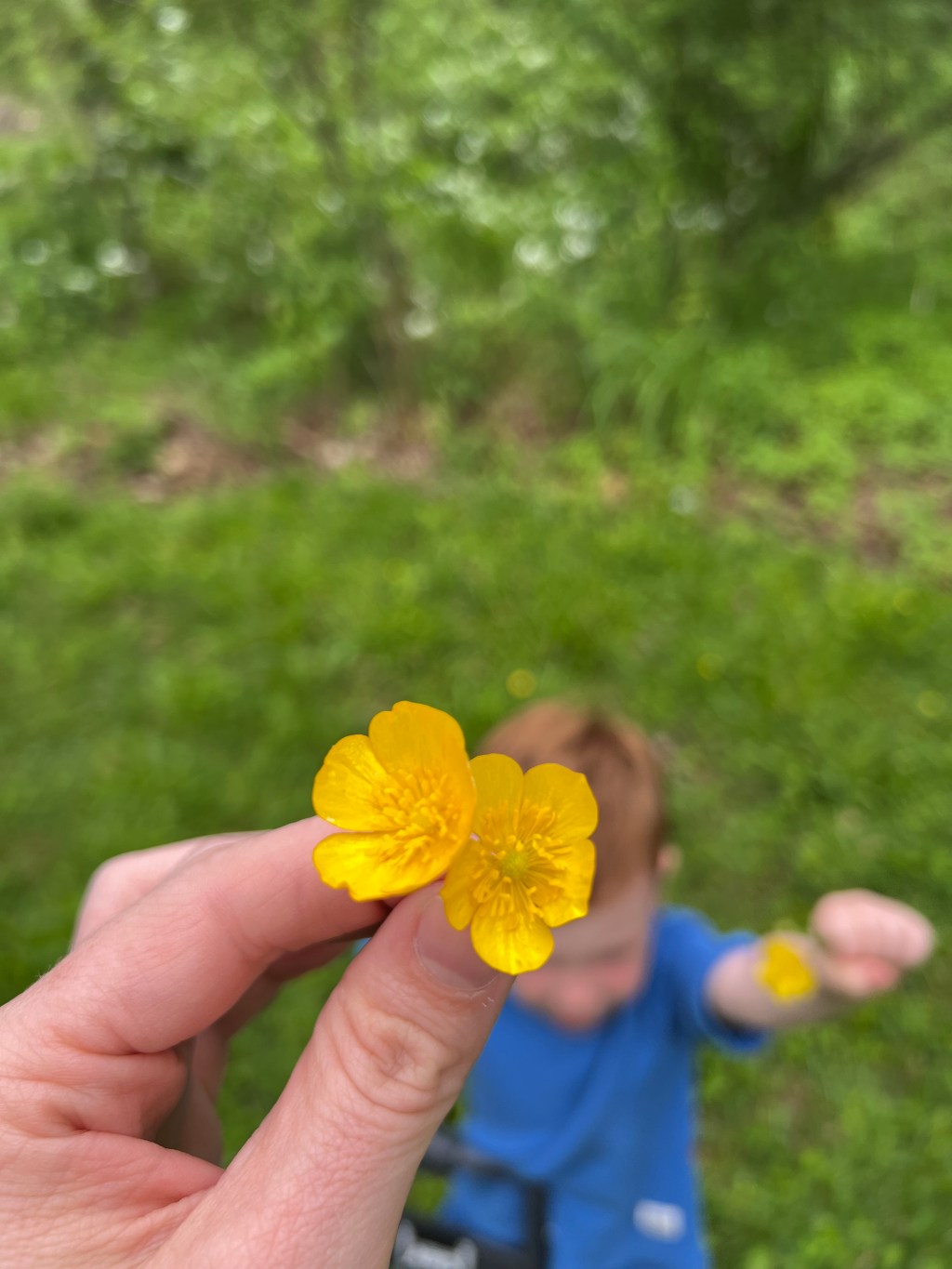
Children seem to understand this instinctively. They don’t postpone their fascination with puddles until the weather is perfect or save their curiosity for a more convenient day. They engage fully with whatever has captured their attention, whether it’s a leaf, a bug, or a patch of mud.
Adults tend to do the opposite.
We spend so much time preparing for life that we sometimes forget to live it.
Why Ordinary Moments Matter So Much Later
One of the great surprises of adulthood is realizing which moments stay with us.
Rarely are they the moments we spent months anticipating.
More often, they’re the moments that felt entirely ordinary at the time: a conversation while washing dishes, a walk around the neighborhood after dinner, the sound of someone’s laughter from another room, or a quiet Saturday morning before the day properly begins.
These moments rarely announce their importance while they’re happening.
They don’t arrive with dramatic music or a sense of significance. Most of the time they pass quietly, blending into the fabric of everyday life.
Yet years later, they’re often the memories we treasure most.
I’ve started to wonder if part of the reason we miss so much of our lives is because we’re trained to look for meaning in extraordinary experiences while overlooking the ordinary ones.
We’re often scanning the horizon for the big moments—the milestones, achievements, and memorable events—while the substance of life unfolds in the background.
Meanwhile, life is unfolding in the scenes between.
Presence Isn’t About Appreciating Every Moment
Whenever people talk about being present, it can start to sound exhausting.
As though we’re supposed to savor every second, appreciate every inconvenience, and transform every experience into a profound lesson.
That isn’t realistic.
There are moments that are frustrating, boring, painful, or difficult, and there are entire seasons of life that we won’t miss when they’re over. Presence isn’t about pretending otherwise. It’s about recognizing that even within those seasons, life is still happening.
Rather than rushing past our days in search of something better, presence asks us to notice them more fully. It reminds us that a moment doesn’t have to be perfect to deserve our attention.
More than anything, presence is a practice of returning. Returning to the conversation you’re having, to the person sitting across from you, and to the life that’s already unfolding around you. Not because you’ll do it perfectly, but because the act of returning is what keeps you connected to the life you’re living.
How to Stop Missing the Life You’re Living
I’ve found that one of the most helpful questions isn’t: “How can I be more present?”
It’s: “What am I treating as temporary that I might someday miss?”
The answer changes depending on the season.
Sometimes it’s a stage of motherhood. Sometimes it’s a friendship. Sometimes it’s a routine that feels mundane today but may not exist a year from now.
The question doesn’t magically make me present. What it does is interrupt the assumption that real life exists somewhere else. It reminds me that this season, however imperfect, is still part of the story—not a waiting room, not a rehearsal, and not preparation for the main event, but the story itself.
If You’re Wondering…
Why does life seem to go by faster as we get older?
Part of the reason is familiarity. As routines become more predictable, we pay less attention to them. Experiences that receive less attention are often remembered less vividly, which can make time feel compressed in hindsight.
How can I be more present in everyday life?
Presence begins with attention. Rather than trying to appreciate every moment, focus on noticing what’s happening right now and gently returning when your mind drifts elsewhere.
Is it bad to plan for the future?
Not at all. Planning is valuable. The challenge arises when we become so focused on future outcomes that we lose touch with the life we’re currently living.
Why do ordinary moments become so meaningful later?
Many of the moments we cherish most involve connection, familiarity, and everyday life. Their significance often becomes clear only after they’ve passed.
What does it mean to stop postponing your life?
It means recognizing that fulfillment isn’t always waiting in a future chapter. It means engaging more fully with the experiences, relationships, and moments that exist today.
A Gentle Reflection
It’s natural to look forward. It’s natural to hope for easier seasons, better circumstances, and brighter days ahead.
But perhaps the challenge isn’t learning how to stop looking toward the future. Perhaps it’s remembering to look around while we’re doing it.
Because one day, there’s a good chance we’ll look back on this season of our lives and realize it wasn’t simply the path to somewhere else.
It was the place we were trying so hard to reach all along.
 Into My Om
Leave a comment