
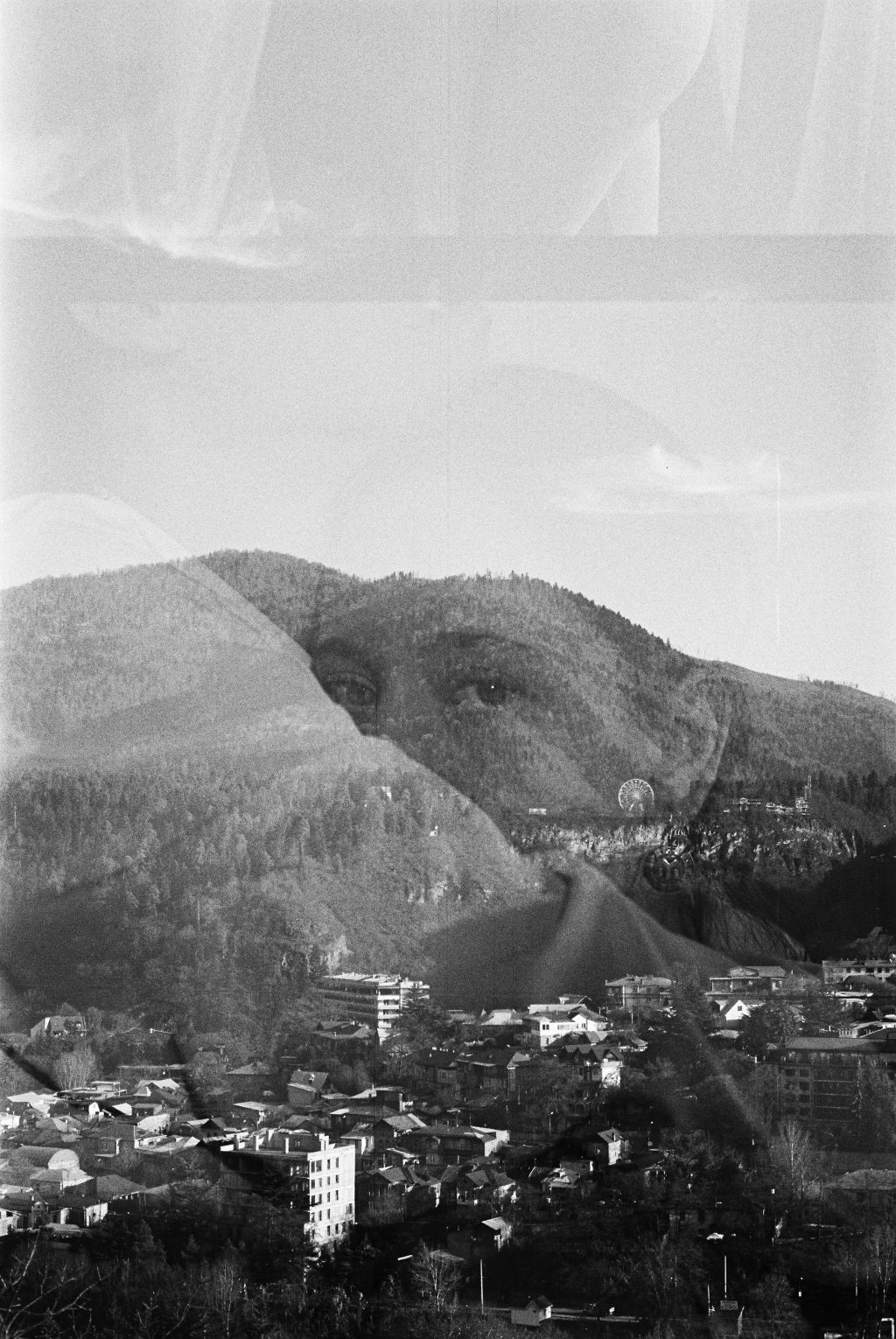
Personal growth is often portrayed as inspiring, empowering, and transformative. What gets talked about less is how uncomfortable it can feel while it’s happening.
When people talk about personal growth, they usually talk about the outcome.
They talk about confidence, healing, self-awareness, and transformation. They talk about becoming more authentic, finding purpose, or creating a life that feels more aligned with who they are.
What rarely gets mentioned is the period in between.
The season where nothing feels settled.
The season where old ways of thinking no longer fit, but new ones haven’t fully formed yet.
The season where growth feels less like progress and more like uncertainty.
I’ve come to believe that much of what we call personal growth happens in this uncomfortable middle ground. Yet because we don’t often discuss it, many people assume something has gone wrong when they encounter it.
In reality, discomfort is often one of the clearest signs that change is taking place.
Why We Expect Growth to Feel Good
Part of the problem is that we’re often shown the finished version of someone else’s transformation.
We see the person who has already made the career change, healed the relationship, started the business, found their confidence, or moved through a difficult chapter. Looking at the completed story, it’s easy to assume the process itself was equally clear.
Most growth doesn’t unfold that way.
More often, it begins with a feeling that something no longer fits.
Perhaps a belief you’ve held for years starts to feel incomplete. Perhaps a path you’ve been following no longer feels aligned. Perhaps you realize you’re living according to expectations that aren’t actually your own. Those moments often begin with awareness—the willingness to notice what no longer feels true and examine it honestly.
These realizations can be deeply valuable, but they rarely arrive with a detailed roadmap for what comes next.
Instead, they tend to create questions.
And questions are inherently less comfortable than certainty.
Growth Often Requires Letting Go
One reason personal growth feels uncomfortable is that it asks us to loosen our grip on things that have felt familiar for a long time. Much of this discomfort comes from the reality that we eventually outgrow old versions of ourselves, even when those identities once felt essential.
Sometimes that’s a belief we’ve carried for years without questioning it. Sometimes it’s an identity we’ve built around—a role, a label, or a story we’ve told ourselves about who we are. Sometimes it’s an expectation about how life was supposed to look by now.
The challenge is that these things don’t become part of us overnight. We build them gradually. We rely on them. They help us make sense of our experiences and decisions. So when they begin to shift, even if the shift is healthy, it can feel unsettling.
I’ve noticed that growth often creates a strange in-between space. You can sense that something is changing, but you can’t always see clearly what it’s changing into. The old way of thinking no longer feels quite right, yet the new perspective hasn’t fully settled either.
That uncertainty can be uncomfortable because we’re naturally drawn to stability. We like knowing where we stand. We like having a framework that helps us interpret our lives.
But growth rarely happens by adding something new on top of everything that’s already there. More often, it involves examining what we’ve been carrying, deciding what still serves us, and making room for something different.
The difficult part is that making room often feels messy before it feels freeing.
The Brain Prefers Familiarity
There’s also a practical reason growth can feel uncomfortable.
Human beings are wired to seek familiarity. Our brains are constantly looking for patterns, routines, and predictability because familiar things generally require less energy and feel safer to navigate.
Growth disrupts those patterns. It asks us to consider new perspectives, try unfamiliar behaviors, and tolerate uncertainty. Even when we consciously want change, another part of us may still be drawn, even wired, toward what feels known.
This is one reason people often find themselves pulled in two directions during periods of transformation. Part of them wants to move forward, while another part wants to return to what feels familiar. Neither impulse is wrong. They’re simply responding to different needs.
Why Growth Can Feel Like Losing Yourself
Many people describe periods of growth by saying they feel lost.
I’ve always found that description interesting because it suggests there’s a fixed version of ourselves we’re supposed to locate and remain connected to forever. But personal growth doesn’t work that way. Being human doesn’t work that way. As we gain new experiences, challenge old assumptions, and develop different priorities, our sense of identity naturally evolves as well.
What people often interpret as being lost may actually be the experience of transition. The version of yourself you’ve known for years is changing, and the familiar reference points that once provided certainty no longer feel quite as reliable.
When an identity begins to shift, it can create a temporary sense of disorientation. The habits, preferences, goals, and beliefs that once felt stable may no longer provide the same sense of clarity they once did. While that can feel unsettling, it doesn’t necessarily mean you’ve lost yourself. It may simply mean you’re getting acquainted with a version of yourself that is still taking shape and that you haven’t fully come to know yet.
Personal Growth Requires Uncertainty
One of the hardest truths about growth is that clarity often arrives after action rather than before it. Many of us would prefer the opposite. We’d like to know exactly where a decision will lead before making it, and we’d like guarantees that the changes we’re considering will produce the outcomes we hope for. Ideally, we’d have certainty before taking risks.
Life rarely offers those conditions. Instead, growth often asks us to move forward while carrying unanswered questions and incomplete information. This can feel uncomfortable because uncertainty has a way of activating our fears. We worry about making mistakes, disappointing ourselves or others, or choosing a path that ultimately proves wrong.
Yet when I look back at the most transformative periods of my life, nearly all of them involved uncertainty. Not because uncertainty itself created growth, but because growth required me to step into territory I hadn’t explored before. The lack of certainty wasn’t evidence that I was headed in the wrong direction; it was often a natural consequence of moving beyond what I already knew.
What’s the Difference Between Discomfort and Misalignment
One of the most useful distinctions I’ve learned is the difference between discomfort and misalignment.
Although the two can feel similar in the moment, they often point to very different realities. Discomfort is frequently a natural part of growth. It tends to arise when we’re trying something new, questioning old assumptions, or stepping beyond familiar patterns. Misalignment, on the other hand, occurs when something conflicts with our values, needs, or sense of self.
A person experiencing discomfort might think, “I’m nervous,” “This feels unfamiliar,” or “I don’t know exactly what I’m doing.” Those reactions often accompany learning and change. Misalignment tends to sound different. It may show up as a persistent feeling that something isn’t true for you, doesn’t reflect your values, or is pulling you further away from the life you want to live.
The challenge is that both experiences can create unease, which makes them easy to confuse. Learning to distinguish between them requires self-awareness, reflection, and a willingness to sit with uncertainty long enough to understand what it’s trying to tell you. Not every uncomfortable experience is a sign that you’re on the wrong path. Sometimes discomfort is simply evidence that you’re stretching beyond what feels familiar and expanding your capacity for growth.
How to Navigate a Season of Growth
When growth feels uncomfortable, our instinct is often to rush toward resolution. We want answers, certainty, and reassurance that we’re moving in the right direction. Most of all, we want the discomfort to end. Yet some of the most meaningful seasons of life are the ones that don’t make complete sense while we’re living through them.
Yet some of the most meaningful transformations can’t be hurried. There are seasons of life that ask us to stay curious rather than certain, to remain open rather than definitive, and to trust that understanding will emerge gradually instead of all at once.
This doesn’t mean ignoring practical decisions or refusing to take action. It simply means recognizing that growth is often less linear than we’d like it to be. The process may feel messy, incomplete, or slower than expected, but those qualities are not necessarily signs that something is wrong. More often, they’re signs that change is still unfolding and that the work of becoming is still in progress.
If You’re Wondering…
Why does personal growth feel so uncomfortable?
Growth often involves uncertainty, change, and letting go of familiar identities, beliefs, or patterns. Even positive transformation can feel uncomfortable while it’s happening.
Is discomfort a sign that I’m growing?
Sometimes. Discomfort can indicate that you’re moving beyond familiar ways of thinking or living. However, it’s important to distinguish between healthy discomfort and genuine misalignment.
Why do I feel lost during personal growth?
Periods of growth often involve identity shifts. Feeling lost doesn’t necessarily mean you’ve lost yourself. It may mean you’re transitioning into a new understanding of who you are.
Does growth always require change?
Not always external change, but growth often involves internal change. New awareness frequently leads to shifts in perspective, priorities, habits, or relationships.
How long does personal growth take?
Growth is an ongoing process rather than a destination. Some transformations happen quickly, while others unfold gradually over months or years.
A Gentle Reflection
Most of us want growth to feel inspiring. We want it to feel like forward momentum, clear progress, and visible improvement. Sometimes it does feel that way. More often, though, growth unfolds in ways that are far less dramatic and far more difficult to recognize while we’re living through them.
The challenge is that we tend to evaluate the process before it’s had time to reveal its purpose. When growth feels confusing, uncertain, or unfinished, it’s easy to assume we’ve taken a wrong turn. We interpret discomfort as a warning sign rather than considering the possibility that it may be a natural part of change.
Yet many forms of growth involve a period of instability. In nature, development often begins beneath the surface, long before there’s anything visible to show for it. Roots spread before branches emerge. Seeds must break open before new life can take shape. What appears from the outside to be disruption is often part of a larger process of transformation.
Personal growth can follow a similar pattern. The beliefs, habits, and identities that once supported us may need to shift before something new can emerge. That transition can feel uncomfortable, but discomfort is not always the enemy. Sometimes it’s simply the experience of moving beyond an old version of yourself and gradually becoming someone you haven’t fully met yet.
 Into My Om
Leave a comment